low end tidal co2 pulmonary embolism
E Ulubay G Chow B. ARDS has many risk factors.

Basics Of Waveform Capnography Waveform Capnography Grepmed
Vagal and mediator mechanisms underlying the tachypnea caused by pulmonary air embolism in dogs.

. Starting the patient on a low tidal volume. With pulmonary embolism a blocked pulmonary artery causes less CO2-rich blood to return to the lungs and less CO2 is. G and Wasserman K.
This may improve oxygen carrying capacity thereby improving oxygen delivery to the tissues. In people with COPD who have serious breathing problems the increased CO2 level can result in what is called respiratory acidosis. Pulmonary perfusion decrease reduced cardiac output hypotension pulmonary embolism cardiac arrest Alveolar ventilation increase hyperventilation apnea total airway obstruction extubation Apparatus malfunction circuit disconnection leak in.
Pulmonary embolism Alveolar hypoventilation decreased minute volume due to reduced respiratory muscle activity eg. Mixed-expired and end-tidal CO2 distinguish between. When this happens in late-stage COPD when a person has severely weakened respiratory muscles the condition may lead to respiratory failure.
When CO2 is elevated it creates an acidic environment. Capnography is the monitoring of the concentration or partial pressure of carbon dioxide CO 2 in the respiratory gasesIts main development has been as a monitoring tool for use during anesthesia and intensive careIt is usually presented as a graph of expiratory CO 2 measured in millimeters of mercury mmHg plotted against time or less commonly but more usefully. These patients may present with tidal EFL leading to DH and a critically-low IRV.
Acute exacerbations are a major cause of worsened morbidity and mortality in COPD patients. The biggest drawback of PSV is its unreliable tidal volumes that may generate CO2 retention and acidosis as well as the higher work of breathing which can lead to respiratory fatigue. Other respiratory conditions can cause a low ETCO2 reading or hypocapnea.
At end inspiration inspiratory pause there is no flow and hence airway pressure plateau pressure 0 x resistance alveolar pressure alveolar pressure. Hence in PC-CMV when Inspiratory time is fixed and if tidal volumes are increased that means flow rate is increased. Negative results on a high-sensitivity D-dimer test in a patient with a low pretest probability of pulmonary embolism indicate a low likelihood of venous thromboembolism and reliably exclude pulmonary embolism.
Increase the low tidal volume alarm to 600 mL Decrease the high pressure limit to 45-50 cmH2O. Combining D-dimer results with measurement of the exhaled end-tidal ratio of. Hypocapnia from the Greek words υπό meaning below normal and καπνός kapnós meaning smoke also known as hypocarbia sometimes incorrectly called acapnia is a state of reduced carbon dioxide in the bloodHypocapnia usually results from deep or rapid breathing known as hyperventilation.
D-dimer and exhaled CO2O2 to detect. If the patient is hypercapnic despite a normal minute ventilation eg 7-8 litersminute this implies an increase in the dead space. Hypoxic Respiratory Failure Low ambient oxygen eg.
Consider administration of furosemide along with blood to avoid volume overload. Extra-pulmonary sources include sepsis trauma massive transfusion drowning drug overdose fat embolism inhalation of toxic fumes and pancreatitis these extra-thoracic illnesses andor injuries trigger an inflammatory. An acute exacerbation is characterized by a sudden change in baseline symptoms dyspnea cough andor sputum production respiratory status requiring a change in management or hospitalization 1 2The severity and incidence of exacerbations are.
Flow v Tidal Volume Inspiratory time. Gas Exchange Physiology in Health and Disease. Bedside pulmonary function tests FVC NIF.
The ability to perform physical exercise is critically related to the cardiovascular systems capacity to supply oxygen O 2 to the muscles and the pulmonary systems ability to clear carbon dioxide CO 2 from the blood via the lungsThe cardiovascular and respiratory systems work together to provide both a delivery system of O. At high altitude VQ mismatch parts of the lung receive oxygen but not enough blood to absorb it eg. An elevated gap between the ABGVBG pCO2 versus the end tidal CO2 further supports an increase in dead space.
In acute neuromuscular disease. For patients with pulmonary embolism thrombolysis may be considered in the context of life-threatening and refractory hypoxemia. Hypocapnia is the opposite of hypercapnia.
Pulmonary infection eg the occurrence rate of ARDS with COVID-19 infection varies between 17 and 41. Use capnography to verify exhaled CO2 Observe chest wall movement. F and Kou Y.
This form can also cause. Pulmonary embolism Myasthenia gravis COPD Orthopnea. Low tidal volume ventilation has been shown to be lung protective not only in ARDS but in other types of diseases.

Pulmonary Embolism And Gas Exchange Semantic Scholar

A Low End Tidal Co2 Arterial Co2 Ratio During Cardiopulmonary Resuscitation Suggests Pulmonary Embolism Resuscitation

Waveform Capnography In The Intubated Patient Emcrit Project
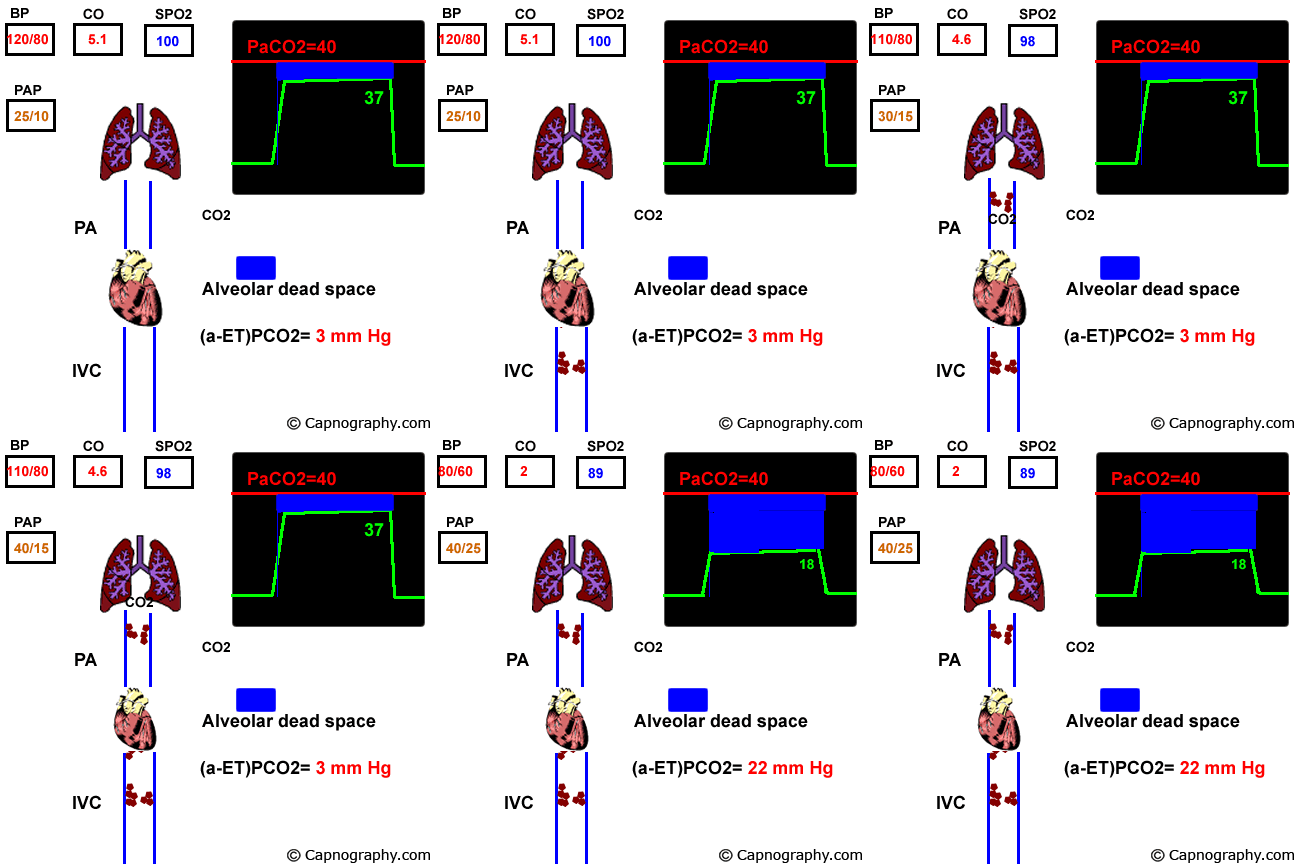
Capnography Capnography

Pulmonary Embolism Alters Alveolar Dead Space And End Tidal Carbon Download Scientific Diagram

Basic Capnography Interpretation Nuem Blog
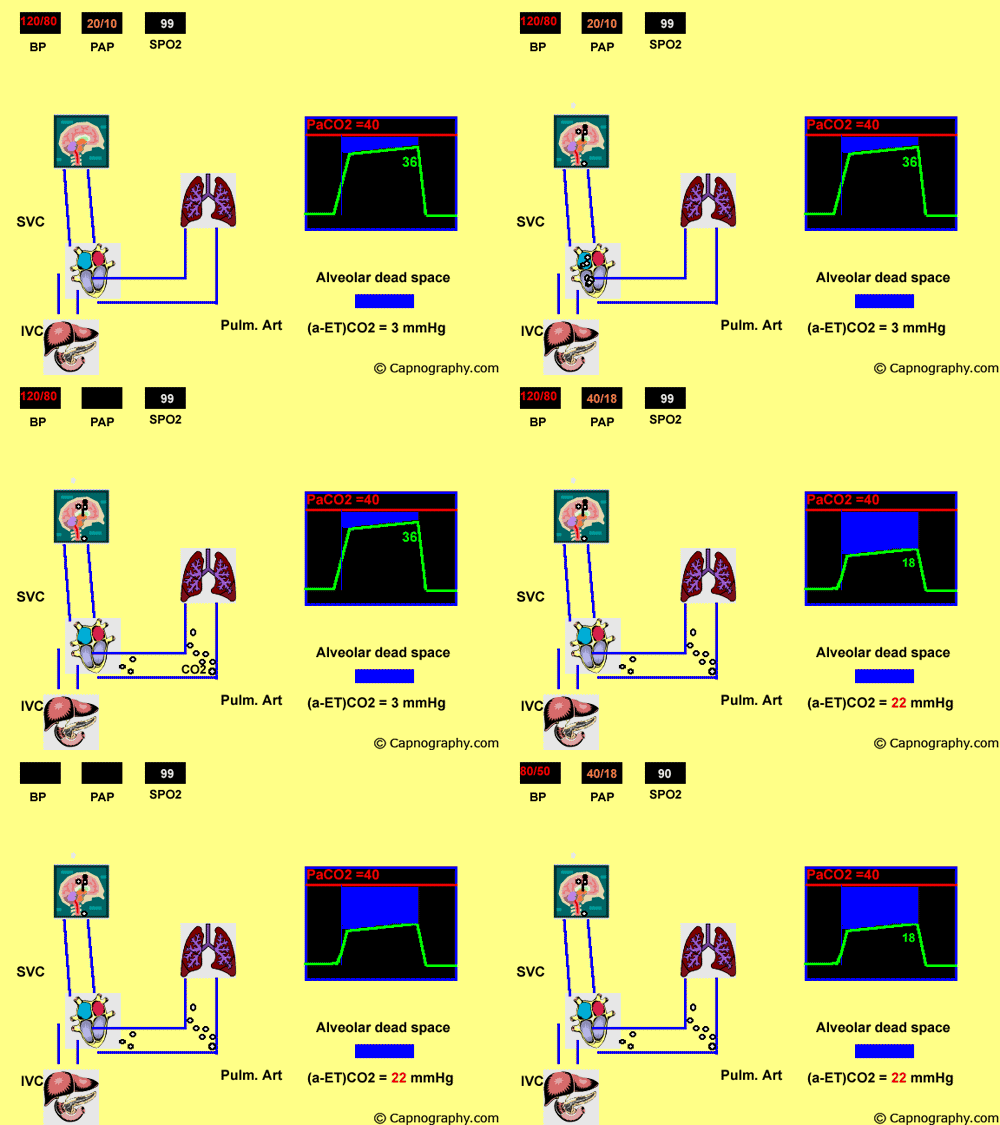
Capnography Capnography

Capnography And Pulmonary Embolism Chapter 21 Capnography
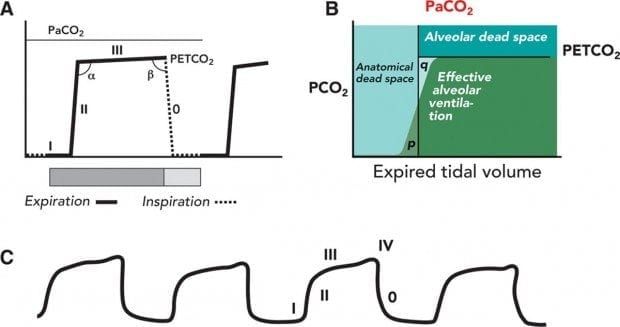
Capnography Waveform Interpretation Litfl Ccc Equipment

Capnography Provides Bigger Physiological Picture To Maximize Patient Care Jems Ems Emergency Medical Services Training Paramedic Emt News

Waveform Capnography In The Intubated Patient Emcrit Project

Capnography Provides Bigger Physiological Picture To Maximize Patient Care Jems Ems Emergency Medical Services Training Paramedic Emt News

Capnography Pocket Icu

Different Capnography Traces A Sudden Drop In E 0 Co2 B Download Scientific Diagram

5 Medical Conditions Where Capnography Can Affect Bls Care Capnoacademy Capnoacademy

Pulmonary Thrombo Embolism Capnography
Pulmonary Embolism Alters Alveolar Dead Space And End Tidal Carbon Download Scientific Diagram

Evaluation Of Suspected Pulmonary Embolism Utilizing End Tidal Co2 And D Dimer The American Journal Of Surgery

Interpreting Capnograms Rk Md